Table of Contents
Introduction
A K0001 claim rarely gets denied because someone picked the wrong code. It gets denied because the medical record doesn't back up the wheelchair that was billed. That gap between what's coded and what's documented is where most standard wheelchair claims run into trouble.
HCPCS K0001 looks like one of the simpler DME codes to bill: a basic manual wheelchair, a short component list, no complex rehab paperwork. But a simple code doesn't guarantee a simple claim. Getting it paid consistently depends on how well medical necessity, documentation, coverage verification, coding, and claim submission line up, not just on which code sits in the procedure field.
This guide walks through how HCPCS K0001 connects to medical necessity, documentation, Medicare and payer coverage, reimbursement, and denial prevention, from a DME billing team's perspective.
What Is HCPCS K0001?
HCPCS K0001 is a HCPCS Level II code, not a CPT code, used to bill a standard, non-customized manual wheelchair. HCPCS Level II codes exist alongside CPT codes to identify products, supplies, and equipment, such as DME, orthotics, and ambulance services, that fall outside the CPT code set, which is built mainly around physician procedures.
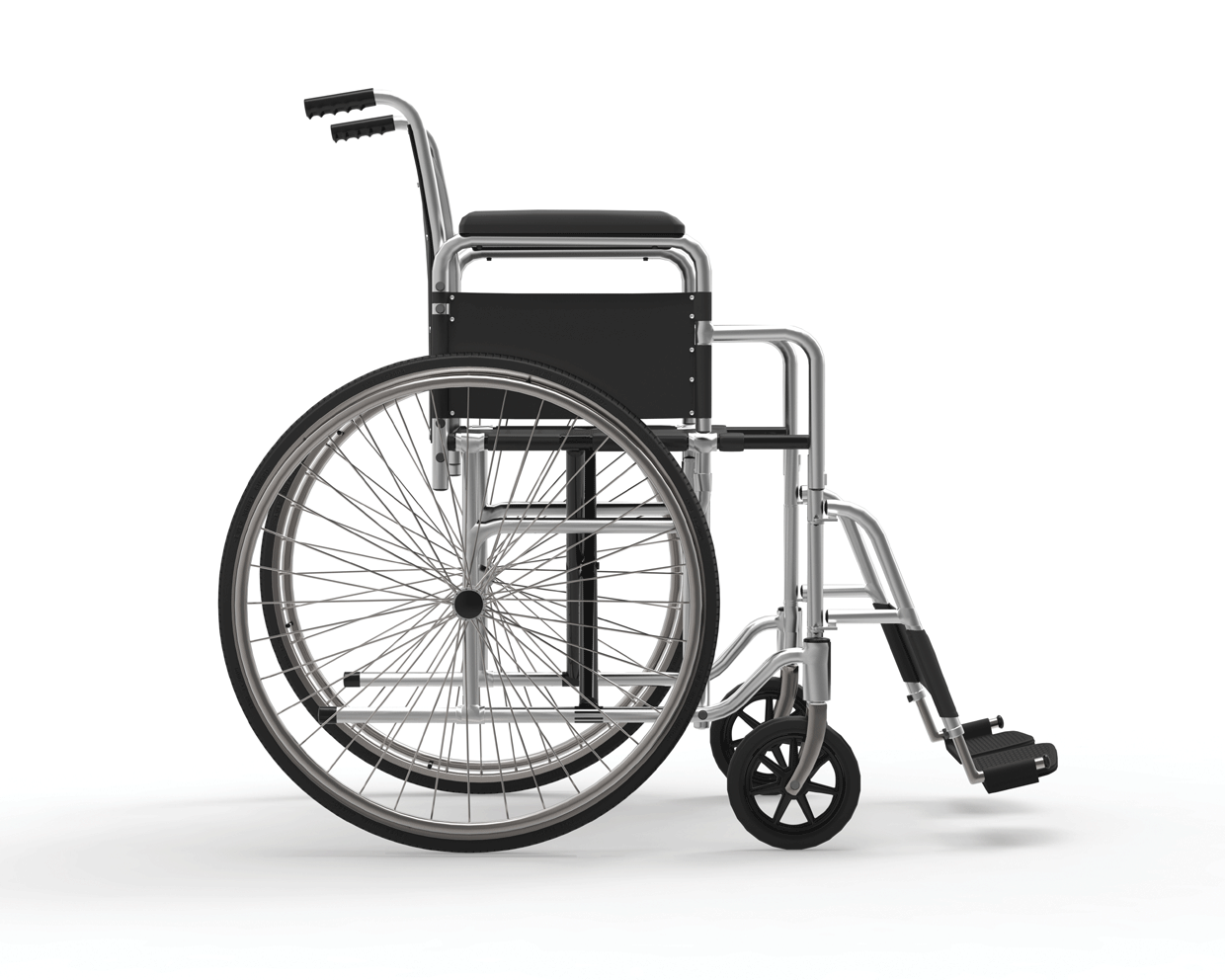
K0001 identifies the wheelchair base itself: a manual chair with fixed, non-adjustable components such as armrests and footrests, intended for patients who need basic mobility support rather than a customized, lightweight, or power-mobility frame. It's typically billed by DME suppliers, home medical equipment (HME) companies, and healthcare organizations that furnish mobility equipment directly to patients.
What Does K0001 Represent in DME Billing?
K0001 sits at the entry point of the wheelchair code family. The broader K-code range covers everything from standard manual chairs to lightweight, heavy-duty, and power mobility bases. Billing K0001 means the supplier is using the most basic wheelchair category, appropriate when a patient's needs don't require the added components, weight capacity, or frame adjustments tied to other wheelchair codes.
Billing teams shouldn't select K0001 out of habit. The code needs to reflect the equipment actually dispensed and the patient's documented functional needs. Billing a standard wheelchair when the clinical picture supports a different equipment category, or the reverse, is a common source of coding-and-documentation mismatch and avoidable rework.
Medical Necessity for K0001 Billing
Medical necessity is the foundation of K0001 reimbursement. Before a wheelchair is billed, the record should support that the patient has a mobility limitation significant enough to require the equipment, and that a standard wheelchair, rather than a cane, walker, or higher-level device, is the appropriate solution.
What counts as sufficient documentation can vary by payer and by the beneficiary's clinical circumstances. Rather than applying one fixed checklist to every claim, billing teams should confirm the documentation on file aligns with the payer's current coverage criteria before the claim goes out. Catching a gap before submission is far less costly than fighting a denial afterward.
K0001 Documentation Requirements
A clean K0001 claim generally reflects consistency across several categories of documentation:
- Practitioner documentation supporting the patient's condition and mobility limitation
- A written order or prescription, where required by the payer
- Clinical notes describing functional limitations and why a standard wheelchair fits
- Accurate beneficiary and eligibility information
- Supplier documentation, including proof of delivery where applicable
- Consistency between the diagnosis, equipment ordered, and HCPCS code billed
Not every payer requires the same documentation set, and requirements can differ by plan, supplier agreement, and current program guidance. Confirm specific requirements against the applicable payer policy rather than assuming one standard applies across the board.
K0001 Billing Quick Check
Medicare & K0001 Billing
Medicare Part B is one of the most common payers for standard wheelchair claims. Before submitting a K0001 claim, billing teams generally need to verify:
- ▶ Current beneficiary eligibility and DME benefit status
- ▶ Applicable coverage requirements under current Medicare guidance
- ▶ Relevant Local Coverage Determination (LCD) or Policy Article guidance from the applicable DME MAC
- ▶ Medical necessity documentation supporting the equipment
- ▶ Supplier enrollment and documentation requirements
- ▶ Applicable modifiers or claim-level requirements tied to the billing method (rental versus purchase)
K0001 Billing Workflow
A dependable K0001 claim moves through six stages, each one a checkpoint rather than a formality.
K0001 Reimbursement: Why There's No Fixed Number
There's no single dollar figure that applies to every K0001 claim. Actual reimbursement depends on the payer, the coverage policy in effect, contractual terms, geographic fee schedule variation, the beneficiary's specific coverage, and the billing method used, since rental and purchase arrangements can apply differently.
It's also worth separating expected reimbursement from actual payment. Expected reimbursement is what a supplier anticipates from a fee schedule or contract; actual payment is what's received after processing, which can be affected by coverage determinations or payer-specific adjustments. Tracking that gap, and understanding why a claim paid less than expected, is part of ongoing revenue-cycle management, not a one-time step.
For current, payer-specific figures, reference the applicable fee schedule or contract directly rather than general guidance.
Common K0001 Billing Mistakes
| Common Billing Issue | Potential Impact | Better Practice |
|---|---|---|
| Incomplete documentation | Claim delayed or questioned | Review documentation against payer criteria pre-submission |
| Weak support for medical necessity | Coverage hard to establish | Confirm clinical notes clearly support the equipment |
| Coding/documentation mismatch | Code doesn't match the file | Validate the HCPCS code against equipment and records |
| Coverage not verified in advance | Claim misaligned with policy | Verify eligibility and coverage before the claim |
| Incorrect beneficiary information | Claim rejected or misprocessed | Confirm demographic and eligibility data at intake |
| Missed payer-specific requirements | Claim misses payer's rules | Check current policy for the specific payer |
| Claim submission errors | Processing delayed | Use claim edits and pre-submission review |
| Inadequate follow-up | Claims age without resolution | Track claims consistently through to payment |
Any one of these can contribute to a delay or denial, but none guarantees one. That's why proactive review matters more than reacting after rejection.
K0001 Denial Prevention
Preventing K0001 denials is less about reacting to rejected claims and more about catching issues before submission. An experienced DME billing team typically builds this in through steps such as:
- Reviewing documentation against payer requirements before submission
- Verifying coverage and eligibility ahead of time, not after a denial arrives
- Validating that the HCPCS code matches the equipment and documentation
- Running claim edits to catch missing or inconsistent information
- Confirming current payer policy, since requirements can change
- Categorizing denials by root cause so patterns can be addressed
- Filing corrected claims or appeals where appropriate, within applicable timelines
- Following up on outstanding claims consistently rather than letting them age
K0001 Billing Risk Path
A single missing piece of documentation rarely stays isolated, it tends to compound. An uncaught gap becomes claim risk; unresolved risk becomes a denial-and-rework cycle; each extra cycle delays the reimbursement the organization expected. Proactive, pre-submission review interrupts this chain before it starts.
K0001 vs. Related Wheelchair Codes
Wheelchair HCPCS codes differ by the equipment's weight, frame type, and component options, not simply the patient's diagnosis. Knowing where K0001 fits relative to nearby codes helps confirm the right code is used for the equipment actually dispensed.
| Code | General Category |
|---|---|
| K0001 | Standard wheelchair, fixed components |
| K0002 | Standard hemi (lower seat height) wheelchair |
| K0003 | Lightweight wheelchair |
| K0004 | High-strength, lightweight wheelchair |
| K0005 | Ultralightweight wheelchair |
This is a general orientation, not a substitute for current coding guidance. The appropriate code should reflect the specific equipment furnished, verified against current HCPCS resources.
Frequently Asked Questions
Disclaimer: This article is for general educational purposes only and is not legal, coding, compliance, reimbursement, or billing advice for any specific claim, patient, or organization. HCPCS coding, coverage rules, documentation requirements, and reimbursement policies vary by payer, jurisdiction, and beneficiary circumstances, and are subject to change. Verify current requirements against authoritative sources, including CMS, Medicare, the applicable DME MAC, official payer policies, and current HCPCS resources, and consult qualified coding, compliance, or legal professionals before making billing decisions.