Table of Contents
Introduction
A DME supplier delivers a CPAP device, gets the prescription on file, and submits the claim under HCPCS E0601 -- straightforward, on paper. Then the claim comes back denied, or gets paid for a few months and stops, because the sleep study results weren't clearly documented or the rental billing wasn't tracked correctly against Medicare's capped rental rules.
E0601 looks like a simple equipment code. Billing it correctly depends on medical necessity documentation, how the capped rental structure works, and how coverage requirements differ across payers.
At Sirius Solutions Global, we see this code trip up DME billing teams for a specific reason: the equipment itself is simple, but the documentation and rental billing rules behind it aren't always tracked consistently over the life of the claim.
What Is HCPCS E0601?
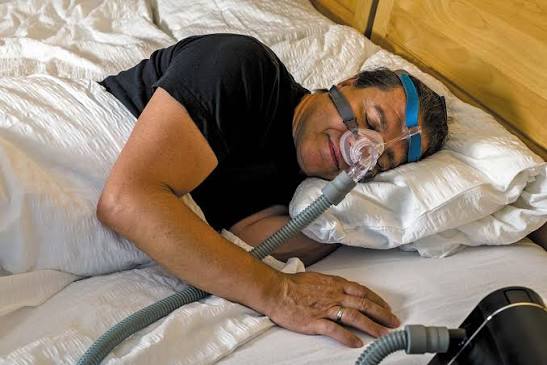
HCPCS E0601 is a Level II code -- not a CPT code -- that identifies a continuous positive airway pressure (CPAP) device: the durable medical equipment (DME) itself, not the clinical service of managing the patient's therapy. It's billed by the DME supplier that provides the equipment.
Medicare and most other payers treat CPAP devices as capped rental items rather than a one-time purchase. That generally means the supplier bills monthly for the device, up to a maximum rental period, after which ownership of the equipment transfers to the patient and rental billing stops. Exact rental terms and billing mechanics should be confirmed against current Medicare and payer guidance, since they can be updated.
Because HCPCS codes are maintained by CMS and coverage policy changes periodically, always confirm current requirements against official CMS/Medicare guidance and the applicable DME MAC rather than relying on older summaries.
What Does E0601 Cover?
E0601 covers the CPAP machine itself -- the equipment that delivers continuous airflow to keep a patient's airway open during sleep. It doesn't include masks, tubing, filters, or other accessories, which are billed under their own separate codes.
HCPCS E0601 Documentation Requirements
Documentation supporting E0601 generally needs to establish medical necessity and confirm the equipment and billing details are accurate. Common elements include:
- Diagnosis supporting the need for CPAP therapy, typically obstructive sleep apnea
- Sleep study results (in-lab or home sleep test) supporting the diagnosis
- A valid order or prescription from the treating practitioner, where required
- Beneficiary and equipment information matching the claim
- Supplier documentation, including proof of delivery where applicable
- Evidence of ongoing use, particularly for continued rental billing
- Any additional records required by the specific payer's coverage policy
Note: Not every payer requires identical documentation -- these are common elements to review, not a universal checklist. General billing best practices should be distinguished from payer-specific requirements before a claim is submitted.
E0601 Medicare Billing Considerations
Medicare billing for E0601 involves several moving pieces beyond the code itself: current Medicare coverage rules, the applicable DME MAC's guidance, beneficiary eligibility, medical necessity documentation, and supplier enrollment and claim requirements. CPAP devices are typically billed as capped rental equipment, which means tracking the rental period and understanding what happens to billing once that period ends matters as much as the initial claim.
CPAP Billing Workflow
Common E0601 Billing Mistakes
Incomplete documentation
Unsupported medical necessity
Coding/documentation mismatch
Missing or incorrect claim information
Failure to verify coverage
Overlooking payer-specific requirements
Inadequate claim follow-up
Poor denial documentation
E0601 Denial Prevention
Reducing avoidable E0601 billing problems is mostly about consistency: pre-bill checks before equipment goes out, eligibility and coverage verification, documentation review against the specific payer's requirements, coding validation, and claim edits before submission. On the back end, categorizing denial reasons, following up on unpaid or partially paid claims on a defined schedule, filing corrected claims or appeals when appropriate, and tracking denial trends over time all help identify whether a problem is a one-off error or a process gap.
Reimbursement for HCPCS E0601
There's no single reimbursement amount that applies to every E0601 claim. Payment depends on the payer, the applicable coverage policy, contract terms, geographic considerations, the specific beneficiary's coverage, supplier requirements, and the circumstances of the claim -- including where it falls within a capped rental period. Sirius Solutions Global does not publish or promise a specific reimbursement figure, and any dollar amount referenced elsewhere should be verified against the applicable fee schedule or payer policy currently in effect.
E0601 Billing Quick Check
Billing Risk Path
A proactive documentation and coverage review before the claim goes out can interrupt this cycle before it starts, rather than reacting to it after a denial.
Frequently Asked Questions
Disclaimer: This article is for general informational and educational purposes only. It is not legal, coding, billing, reimbursement, or compliance advice for any specific supplier, patient, or payer contract. HCPCS codes and payer coverage policies are updated periodically and vary by payer, plan, state, and circumstance. Always verify current HCPCS descriptors and coverage requirements with CMS, the applicable DME MAC, and the specific payer before making billing decisions. Sirius Solutions Global makes no guarantee regarding claim approval, reimbursement amounts, coverage determinations, or denial outcomes.