Table of Contents
Introduction
Nail debridement looks like one of the simpler codes in a podiatry practice's fee schedule, right up until a claim comes back denied for routine foot care. CPT 11720 isn't just "trimming nails." It's a specific procedure code with specific documentation expectations, and Medicare treats routine foot care very differently from medically necessary nail debridement.
Getting CPT 11720 paid consistently depends on the count of nails treated, the medical necessity behind the procedure, the diagnosis linkage, and, for many payers, class-finding documentation and modifiers. This guide walks through how CPT 11720 fits into coding, documentation, Medicare and payer coverage, and denial prevention, from a podiatry billing team's perspective.
What Is CPT 11720?
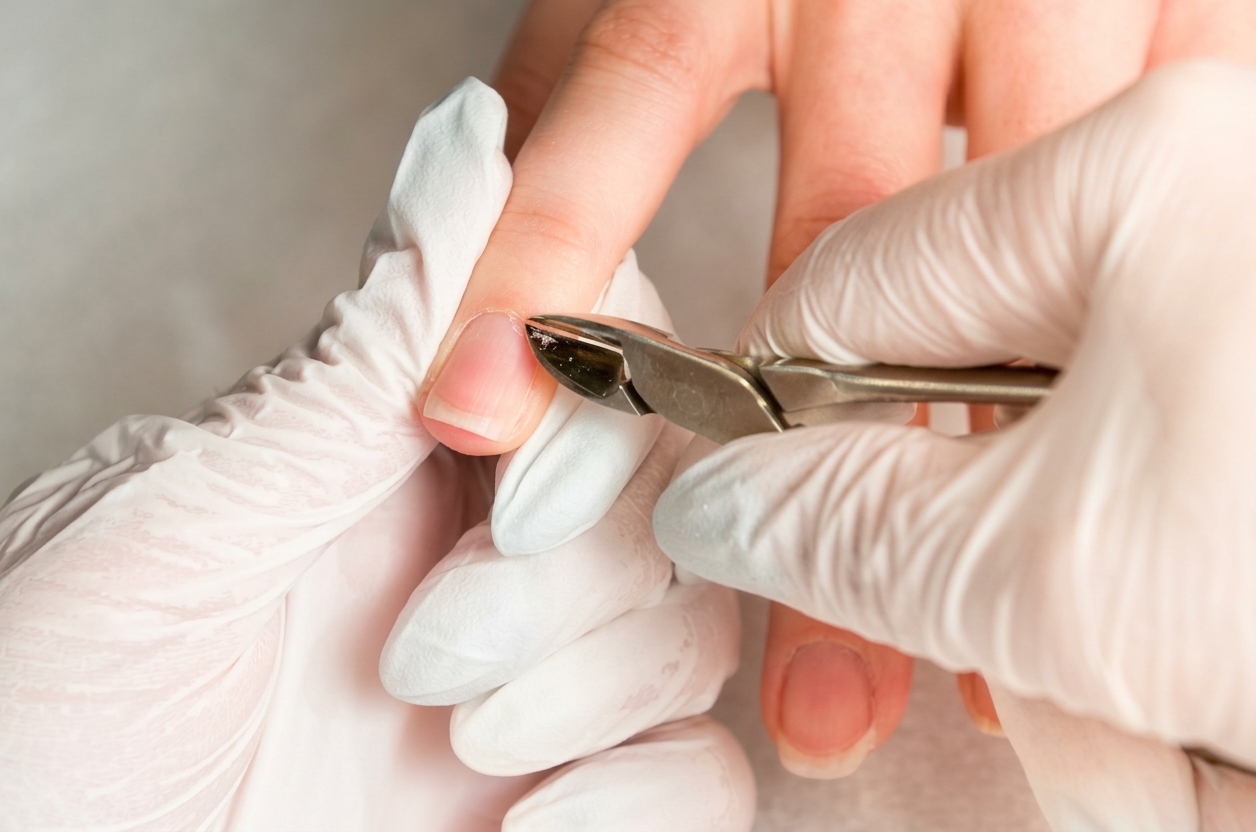
CPT 11720 describes debridement of nail(s) by any method, for one to five nails, performed in a single encounter. "Any method" covers manual filing and trimming of thickened nail plate, motorized burr or drill reduction of dystrophic tissue, chemical softening agents, or a combination of these approaches.
The distinction between debridement and routine trimming matters because it drives coverage. Debridement addresses a pathological nail condition, thickened, dystrophic, or mycotic nails that require more than a basic pedicure-style trim. Routine foot care performed on healthy nails, without a qualifying condition, is generally treated as excluded from coverage rather than a billable medical service.
CPT 11720 at a Glance
| Item | CPT 11720 |
|---|---|
| Service | Debridement of nail(s) by any method |
| Number of Nails | 1 to 5, in a single encounter |
| Specialty Relevance | Primarily podiatry; also billed by other qualified providers |
| Key Billing Consideration | Medical necessity and supporting documentation |
| Common Billing Concern | Coverage exclusions for routine care; payer rules vary |
CPT 11720 vs. CPT 11721
CPT 11720 and CPT 11721 are mutually exclusive and differ only by nail count. The total number of nails debrided across both feet in the same encounter determines which code applies, and the two codes should not be billed together on the same date of service.
| Feature | CPT 11720 | CPT 11721 |
|---|---|---|
| Nails Covered | 1 to 5 | 6 or more |
| Same-Day Billing | Not billed with 11721 | Not billed with 11720 |
| Common Mistake | Billing 11721 when 5 or fewer nails were treated (upcoding risk) | Billing 11720 when 6 or more nails were treated (undercoding) |
| Documentation Focus | Confirm exact nail count treated matches the code | Confirm exact nail count treated matches the code |
The medical record should document exactly which nails were debrided, not just a general note that "nails were trimmed." That specificity is what lets the billing team confirm the correct code before the claim goes out.
When Can CPT 11720 Be Reported?
CPT 11720 is reportable when the service actually performed matches the code's definition and the patient's record supports medical necessity for that specific encounter. Routine foot care and medically necessary nail debridement are not interchangeable from a coverage standpoint, even though the physical procedure can look similar.
Applicable payer coverage should be verified before the claim is filed rather than assumed. Some payers apply routine foot care exclusions similar to Medicare's; others have different criteria entirely. Billing teams should confirm current coverage rules for the specific payer and plan rather than applying one universal standard to every claim.
Documentation for CPT 11720
A defensible CPT 11720 claim generally reflects consistency across several categories of documentation:
- Patient-specific clinical findings supporting the nail condition treated
- Medical necessity connecting the procedure to a qualifying condition
- The specific nails treated and the total number debrided
- Relevant diagnoses and findings supporting the service
- A clear procedure note describing what was performed and by what method
- Provider documentation, including any additional elements required by the applicable payer or MAC
Not every element applies identically to every payer. General best practices, documenting nail count and clinical findings, differ from payer-specific requirements, such as class-finding modifiers some MACs require. Confirm current requirements against the applicable payer policy.
Documentation Checklist
Medical Necessity & Diagnosis Coding
Diagnosis selection is what connects the procedure to why it was medically necessary, not simply that it was performed. The diagnosis code should reflect a condition genuinely documented in the record, such as a mycotic, dystrophic, or thickened nail, or a qualifying systemic condition like diabetes with peripheral neuropathy, rather than being selected to satisfy a payer edit.
Coverage policies, including relevant Local Coverage Determinations or payer-specific policies, often outline the categories of systemic conditions and clinical findings that support coverage for otherwise-excluded routine foot care services. Reviewing the applicable policy before submission is more reliable than assuming a diagnosis will pass because it "usually works."
Medicare and Payer Considerations
Medicare generally classifies nail debridement as routine foot care, which is statutorily excluded from coverage unless specific exceptions apply. Coverage may be available when documentation supports a qualifying systemic condition with the required class findings, or when criteria for a mycotic nail exception are met, along with the appropriate class-finding modifier where the MAC requires it.
- ▶ Current beneficiary eligibility and coverage status
- ▶ Medical necessity supported by systemic condition or mycotic-nail documentation
- ▶ Applicable class-finding modifiers where required by the payer or MAC
- ▶ Frequency limitations that may apply to routine foot care codes
- ▶ Global surgery considerations, since a same-day E/M service generally needs modifier 25 to be separately payable
- ▶ Any jurisdiction-specific LCD or Billing and Coding Article guidance
CPT 11720 Billing Workflow
Common CPT 11720 Billing Mistakes
| Billing Mistake | Why It's a Problem |
|---|---|
| Incorrect number-of-nails coding | Code may not match nails actually treated |
| Confusing 11720 with 11721 | Codes are mutually exclusive; mismatch affects payment |
| Insufficient documentation | Medical necessity may be difficult to establish |
| Unsupported medical necessity | Service may be treated as excluded routine care |
| Incorrect diagnosis linkage | Claim may not align with the documented condition |
| Ignoring payer-specific coverage rules | Claim may miss that payer's requirements |
| Incomplete claim information | Processing may be delayed |
| Failure to review denials | Recurring issues go uncorrected |
| Treating routine foot care as automatically reimbursable | Claim may be denied as statutorily excluded |
| Inconsistent documentation and claim data | Discrepancies can trigger review or denial |
How to Reduce CPT 11720 Claim Problems
Reducing avoidable CPT 11720 denials comes down to catching issues before the claim leaves the building. Podiatry practices and their billing teams generally benefit from:
- Reviewing documentation against the applicable coverage policy before submission
- Confirming nail counts and diagnosis linkage match the code billed
- Verifying required modifiers, including class-finding and E/M modifiers, are applied correctly
- Tracking frequency limits so claims aren't submitted ahead of the applicable interval
- Reviewing denial patterns to identify recurring documentation or coding gaps
Frequently Asked Questions
Disclaimer: This article is for general educational purposes only and is not legal, coding, compliance, reimbursement, or billing advice for any specific claim, patient, or organization. CPT coding, coverage rules, documentation requirements, and reimbursement policies vary by payer, jurisdiction, and beneficiary circumstances, and may change over time. Verify current CPT, CMS/MAC, and payer-specific policies before submitting claims, and consult qualified coding, compliance, or legal professionals before making billing decisions.